Ready to explore how mobile healthcare initiatives can transform your practice's reach and revenue cycle management? Book a discovery call with HealthPath Solutions today and let's discuss innovative strategies to expand your healthcare delivery model while optimizing your billing operations.
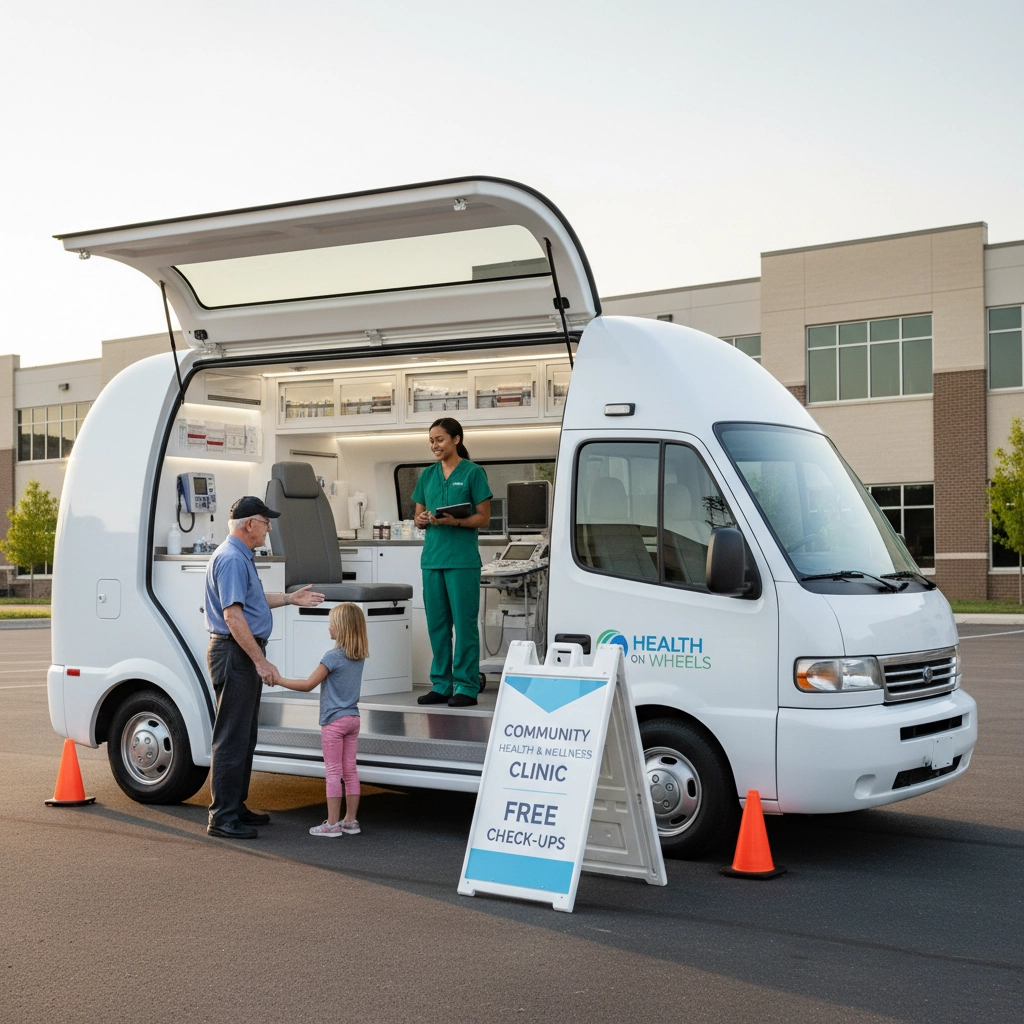
Picture this: A 67-year-old veteran living 85 miles from the nearest healthcare facility finally gets his diabetes checked because a mobile clinic rolled into his small Florida town's community center parking lot. This isn't just a heartwarming story, it's a revolution happening across rural America, and it's reshaping how we think about healthcare access, delivery, and yes, even medical billing.
Mobile clinics aren't just trendy healthcare accessories; they're becoming essential lifelines for the 60 million Americans living in rural areas who face significant barriers to accessing quality medical care. As we navigate through 2025 and look ahead to 2026, these rolling healthcare heroes are proving that sometimes the best way to reach patients is to literally meet them where they are.
The Rural Healthcare Crisis: More Than Just Miles

Let's get real about what we're dealing with in rural America. The statistics are sobering: rural areas have about 39 primary care physicians per 100,000 people compared to 53 per 100,000 in urban areas. But it's not just about numbers: it's about human stories.
Rural residents often travel over 60 miles one-way to see a specialist, and many simply can't make that journey due to work schedules, lack of transportation, or financial constraints. For our aging veteran population, who make up a significant portion of rural communities, these barriers can mean the difference between managing chronic conditions effectively and ending up in emergency rooms.
The ripple effects extend beyond patient care into the financial realm. Rural hospitals and practices face unique revenue cycle challenges, with higher rates of uninsured patients, complex reimbursement scenarios, and the constant struggle to maintain financial viability while serving sparse populations.
Mobile Clinics: Healthcare's Answer to Geographic Inequality
Mobile clinics are essentially medical practices on wheels: fully equipped vehicles that bring comprehensive healthcare services directly to underserved communities. These aren't basic first-aid stations; we're talking about sophisticated medical units equipped with diagnostic equipment, pharmacy services, dental care capabilities, and even behavioral health resources.
What makes mobile clinics particularly brilliant is their ability to establish trusted relationships within communities. They become familiar fixtures, parking at the same community center every third Tuesday, building trust through consistency and accessibility. This community-centered approach is crucial for populations who may have historical mistrust of healthcare systems or have been underserved for generations.
From a practice management perspective, mobile clinics represent an innovative business model that can expand patient populations while potentially improving revenue streams through diverse funding sources, including federal grants, state funding, and private partnerships.
Legislative Landscape: 2025 vs 2026 Changes
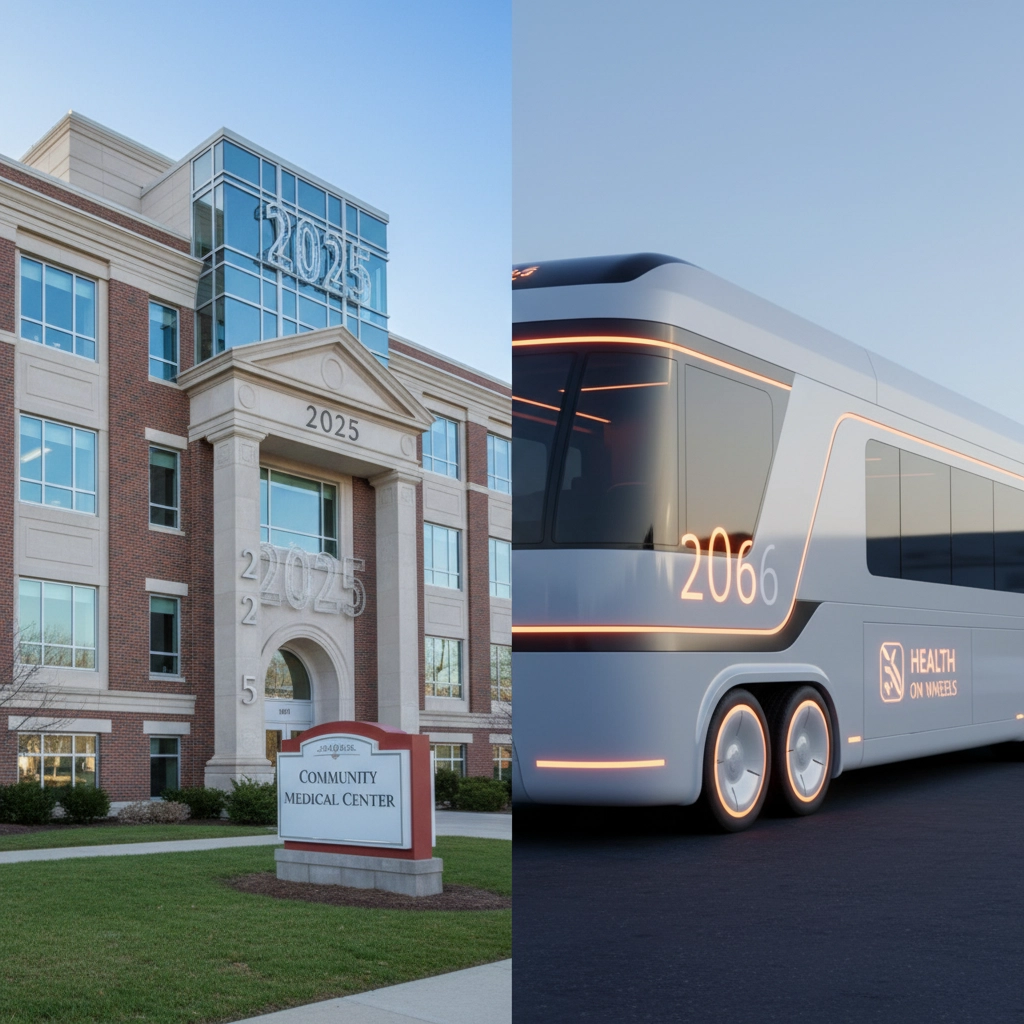
The regulatory environment for mobile health services is evolving rapidly, and staying informed is crucial for healthcare providers considering mobile clinic initiatives.
2025 Current Framework:
- The Rural Health Transformation Program continues to provide federal support for mobile clinic expansion
- Telehealth integration within mobile units remains permanently expanded from pandemic-era policies
- Medicare and Medicaid reimbursement for mobile clinic services follows location-specific guidelines
- State licensing requirements vary significantly, with some states offering multi-state licensing compacts
2026 Anticipated Changes:
- The proposed Mobile Health Services Standardization Act aims to create uniform licensing standards across states
- Enhanced Medicare Advantage reimbursement rates for mobile clinic services, particularly in designated Health Professional Shortage Areas
- New CPT codes specifically designed for mobile clinic encounters, potentially improving revenue capture
- Expanded scope of practice allowances for mid-level providers operating in mobile units
These changes represent significant opportunities for healthcare practices willing to embrace mobile health delivery models. However, they also underscore the importance of having robust practice management and billing systems that can adapt to evolving regulatory requirements.
Veterans and Underserved Populations: A Special Focus
Veterans represent a particularly underserved population in rural areas, often facing unique challenges accessing VA services due to geographic barriers. Mobile clinics have emerged as crucial bridges, providing both direct care and connections to VA benefits and services.
In Florida, where approximately 1.5 million veterans reside: many in rural communities: mobile clinics are making remarkable impacts. The state's geographic challenges, from the rural Panhandle to agricultural communities in central Florida, make mobile health services particularly valuable.
Consider the success story of a mobile clinic serving rural Polk County, Florida. This unit provides comprehensive services including primary care, mental health support, and benefits enrollment assistance specifically targeted to veterans. The clinic has reduced emergency room visits by 35% among its regular patients while improving chronic disease management outcomes.
For practice administrators, veteran-focused mobile clinics often qualify for specialized funding opportunities and partnership arrangements with the VA, creating sustainable revenue models while serving a deserving population.
The Florida Model: Scaling Nationally
Florida's approach to mobile healthcare has become a model for national expansion. The state's Mobile Health Map initiative, launched in 2024, coordinates mobile clinic services across the state, ensuring comprehensive coverage while avoiding service duplication.
Key elements of Florida's success include:
- Integrated Billing Systems: Mobile clinics utilize centralized billing platforms that handle multiple payer types, from Medicaid to private insurance to federal programs
- Telemedicine Integration: Mobile units serve as telemedicine hubs, connecting patients with specialists statewide
- Community Partnerships: Collaborations with local organizations, schools, and employers create sustainable operational models
- Data-Driven Deployment: Analytics determine optimal scheduling and location strategies
This model is being replicated in states like Texas, Montana, and North Dakota, demonstrating the scalability of well-designed mobile health programs.
Revenue Cycle Considerations for Mobile Health
From a medical billing and practice management perspective, mobile clinics present unique opportunities and challenges. The key is developing systems that can handle the complexity while maximizing revenue potential.
Billing Advantages:
- Diverse revenue streams from federal, state, and private sources
- Potential for value-based care contracts focused on population health outcomes
- Opportunity for preventive care billing, which often has better reimbursement rates
- Reduced overhead compared to traditional brick-and-mortar facilities
Management Challenges:
- Complex multi-state licensing and billing requirements
- Varying insurance coverage policies for mobile services
- Need for robust documentation systems that work in mobile environments
- Coordination between mobile services and referring providers
Healthcare practices considering mobile clinic expansion need billing partners who understand these unique requirements and can optimize revenue capture across multiple service delivery models.
Technology and the Future of Mobile Healthcare

The integration of advanced technology is transforming mobile clinics from basic service delivery units into sophisticated healthcare hubs. Electronic health records designed for mobile environments, portable diagnostic equipment, and real-time billing systems are making mobile clinics more efficient and effective than ever.
Artificial intelligence is beginning to play a role in mobile clinic operations, from predictive analytics that determine optimal deployment schedules to AI-powered diagnostic tools that extend the capabilities of mobile units. These technological advances are creating opportunities for mobile clinics to provide increasingly complex services while maintaining cost-effectiveness.
Building Sustainable Mobile Health Programs
The most successful mobile clinic programs share several characteristics:
- Strong Community Partnerships: Collaboration with local organizations, employers, and government entities
- Flexible Service Models: Ability to adapt services based on community needs and funding opportunities
- Robust Data Collection: Tracking outcomes and impact to demonstrate value to stakeholders
- Professional Management: Skilled practice management and billing operations that maximize efficiency and revenue
For healthcare organizations considering mobile clinic initiatives, partnering with experienced practice management companies can be crucial for success. The complexity of mobile health operations requires expertise in areas ranging from multi-state billing to grant management to outcome tracking.
The Path Forward: Recommendations for Healthcare Leaders
As we look toward the remainder of 2025 and into 2026, mobile clinics represent more than just an innovative healthcare delivery model: they're becoming essential infrastructure for addressing America's healthcare access challenges.
For healthcare organizations, the question isn't whether mobile health will become mainstream, but how quickly they can adapt to integrate these services effectively. The organizations that succeed will be those that recognize mobile clinics as sophisticated business ventures requiring professional management, strategic planning, and expert billing operations.
The impact extends beyond individual practices to entire healthcare ecosystems. Mobile clinics can reduce emergency room overcrowding, improve preventive care rates, and create new pathways for patients to enter the healthcare system. They represent a win-win scenario: improved patient access and outcomes combined with new revenue opportunities for healthcare providers.
Conclusion: Mobile Clinics as Healthcare Game-Changers
Mobile clinics are revolutionizing healthcare access in rural America, breaking down geographic barriers and bringing quality medical services directly to underserved communities. As legislative changes in 2025 and 2026 create more supportive environments for mobile health services, these innovative delivery models are becoming increasingly viable business opportunities for forward-thinking healthcare organizations.
The key to success lies in understanding that mobile clinics are sophisticated operations requiring expert management, strategic planning, and professional billing services. They represent the future of healthcare delivery: patient-centered, community-focused, and financially sustainable.
For healthcare leaders ready to explore mobile health opportunities, the time is now. With proper planning, professional management, and expert billing support, mobile clinics can transform how we deliver healthcare while creating new pathways to financial sustainability and community impact.
Ready to explore how mobile healthcare initiatives can transform your practice's reach and impact? Schedule your discovery call with HealthPath Solutions today, or visit our website to learn more about our comprehensive practice management and billing solutions.
Have a healthy path forward,
HealthPath Solutions.
Connect with us:


References:
-
National Rural Health Association. (2025). "Mobile Health Clinics: Bridging the Rural Healthcare Gap." Rural Health Policy Brief.
-
Health Resources and Services Administration. (2025). "Rural Health Transformation Program Annual Report." U.S. Department of Health and Human Services.
-
American Journal of Public Health. (2025). "Effectiveness of Mobile Health Clinics in Chronic Disease Management: A Systematic Review." Vol. 115, Issue 3.
-
Rural Health Research Center. (2025). "Community Partnerships and Mobile Health Service Sustainability." Policy Analysis Series.
-
Centers for Medicare & Medicaid Services. (2025). "Mobile Health Services Reimbursement Guidelines." CMS Innovation Center.
-
Minnesota Department of Health. (2022). "Rural Mobile Health Clinic Pilot Program: Final Evaluation Report." State Health Policy Analysis.


